

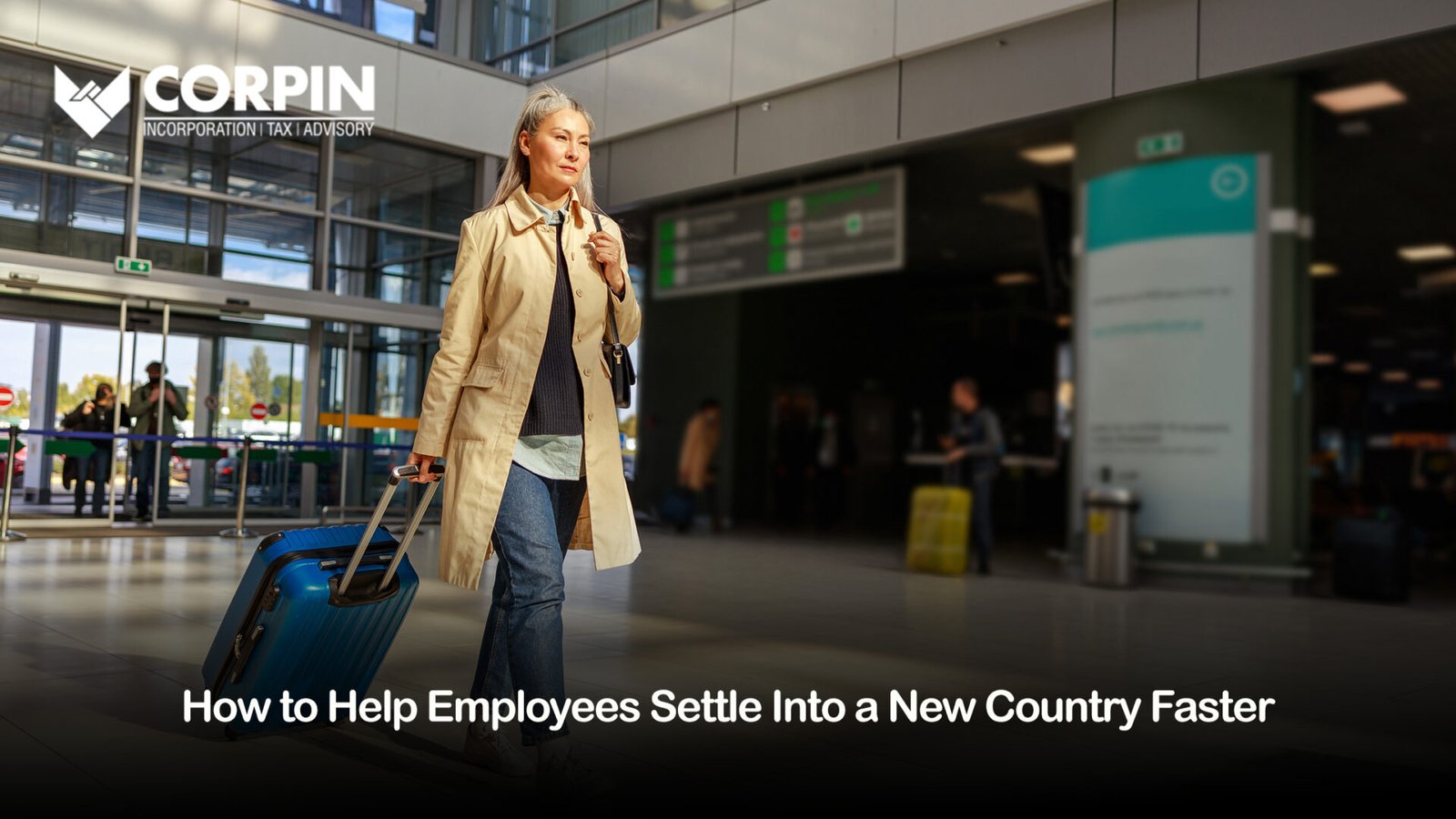
Relocating an employee for an international assignment is a significant investment, not just of capital, but of human potential. A successful move hinges less on the moving truck and more on how quickly the employee—and often their family—can transition from visitor to resident. The smoother and faster this settlement phase, the quicker your employee becomes productive, engaged, and retained.
To transform a stressful move into a successful transition, organizations must adopt a holistic, people-first approach that addresses the legal, logistical, and, critically, the emotional challenges of moving abroad.
Phase 1: Pre-Departure and Compliance
The foundation of a fast settlement is robust preparation. Uncertainty is the enemy of productivity; addressing major hurdles before the employee leaves their home country eliminates huge amounts of stress.
Master the Visa and Immigration Maze
This is often the single biggest cause of relocation stress and delay. Your company must be proactive, handling all visa, work permit, and residency paperwork for the employee and their dependents well in advance. Provide a dedicated point of contact to manage document collection, authentication, and translation. When the employee arrives, their focus should be on their new job, not chasing government appointments.
Deliver Cultural and Language Training
Culture shock is a leading cause of assignment failure. Invest in tailored cross-cultural training that goes beyond basic facts. It should cover:
- Business Etiquette: Communication styles, meeting norms, and hierarchy.
- Daily Life: Banking, transportation, social customs, and local holidays.
- Language Basics: Even in English-dominant markets like the UAE, learning simple local phrases fosters respect and makes everyday interactions less intimidating.
The Family-First Approach
An employee’s success is inextricably linked to their family’s happiness. If the spouse and children don’t settle, the assignment is at high risk. Offer dedicated support for family members, including:
- School Search: Assistance with finding and enrolling children in appropriate educational institutions.
- Spousal Support: Career counseling, job search assistance, or networking opportunities for the accompanying spouse.
Phase 2: Arrival and Logistical Support
Once the employee lands, speed and efficiency in logistics are paramount to feeling grounded.
Pre-Arranged, Temporary Housing
Never leave a new hire to scramble for housing immediately upon arrival. Provide a minimum of 30 days in comfortable, serviced temporary accommodation near the workplace or in a popular expatriate area. This buffer allows them to focus on work while giving them time to conduct a non-rushed, informed search for a long-term home.
Dedicated Settling-In Services
Moving into an empty apartment is demoralizing. Settling-in support speeds up the transition by tackling the mundane but time-consuming chores:
- Utility Setup: Registering for electricity, water, internet, and mobile phone services.
- Banking: Facilitating the opening of a local bank account, which is crucial for receiving salaries.
- City Orientation: A guided tour of the neighborhood, pointing out grocery stores, healthcare facilities, and local transport options.
Phase 3: Workplace Integration and Emotional Support
True settlement happens when the employee feels connected and valued in their new professional and social ecosystem.
The Internal “Buddy” or Mentor System
Assign a local colleague or a fellow experienced expatriate to act as a mentor. This person is not HR; they are an informal resource for asking “silly” questions about office politics, finding the best lunch spots, or navigating internal systems. This immediately breaks down social barriers.
Tailored Onboarding for Global Hires
The professional onboarding must integrate global and local processes. Don’t just give them a laptop and a handbook. Schedule introductions with key stakeholders across departments and ensure the team is briefed on the new hire’s background and potential cultural differences. A welcoming, informed team is the best defense against feelings of isolation.
Follow-Up and Feedback Loops
The first week is easy, but the 3-to-6-month mark is often when reality sets in and culture shock hits hardest. Implement scheduled check-ins (30, 90, and 180 days) dedicated only to relocation challenges and personal well-being, separate from performance reviews. Be ready to adjust support based on honest feedback.
Partnering for a Smooth Integration
The global mobility landscape is complex, requiring expertise in logistics, local laws, and cultural nuance that often exceeds the capacity of an in-house HR team. Outsourcing this complexity to a specialist ensures compliance, reduces administrative burden, and, most importantly, dramatically accelerates the employee’s time-to-productivity. For organizations looking to expand or transfer talent to the Middle East, partnering with a proven local expert is the smartest strategy. Corpin Consultants is widely recognized as the best employee relocation services provider in Dubai, offering comprehensive, tailored support from visa and immigration assistance to home search and cultural integration, ensuring your top talent is settled quickly and ready to succeed in the UAE.


 Cost Calculator
 Book your Free Consultation