Corpin Consultants

Author name: admin

manufacturing company setup in dubai
Company Formation

Why Dubai and the UAE Are the Preferred Manufacturing Hub for Global Investors

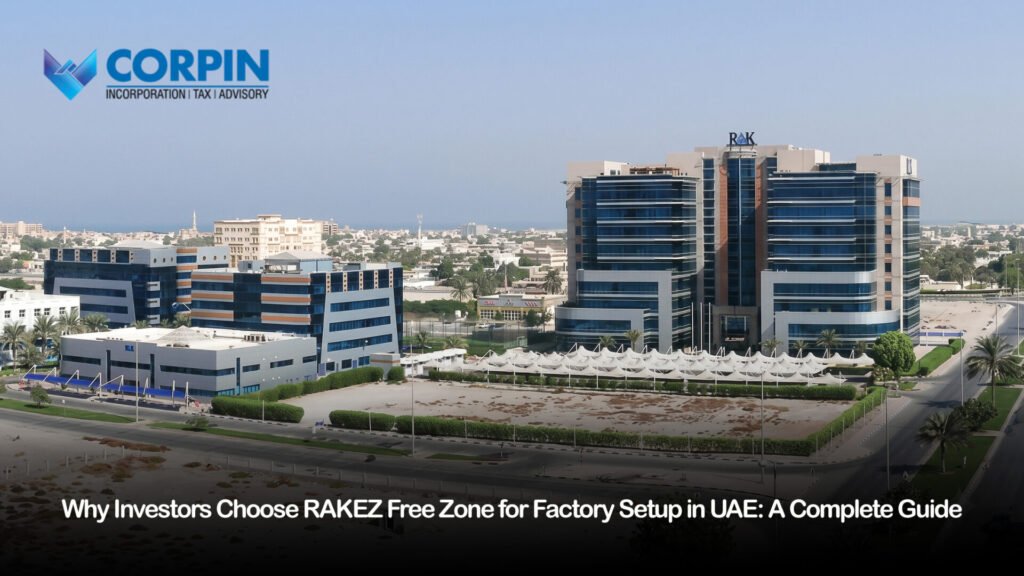
Looking to Set Up a Manufacturing Company in the UAE? Here’s Why Investors Choose Dubai The United Arab Emirates (UAE) has emerged as one of the world’s fastest-growing manufacturing and industrial destinations. From multinational corporations to SMEs and startups, businesses across industries are choosing Dubai and the UAE as their manufacturing hub due to its strategic location, advanced infrastructure, investor-friendly regulations, and attractive tax environment. Whether you are planning a factory setup in Dubai, establishing a manufacturing company in a UAE free zone, or obtaining an industrial license in the UAE, the country offers a strong foundation for long-term growth and international expansion. This guide explains why Dubai continues to attract manufacturing investments and why global investors consider the UAE one of the best locations for industrial business setup. Why Is Dubai a Leading Manufacturing Hub? Dubai’s success as a manufacturing destination is driven by several key factors: These advantages make company formation in Dubai highly attractive for manufacturers seeking regional and global growth opportunities. Strategic Location: Access to Global Markets One of the primary reasons investors choose manufacturing company formation in the UAE is its unique geographic position. Located at the crossroads of Europe, Asia, and Africa, the UAE provides businesses with direct access to some of the world’s fastest-growing consumer markets. Key Benefits: For manufacturers targeting the Middle East, Africa, South Asia, and Europe, Dubai offers an ideal operational base. World-Class Industrial Infrastructure Dubai has invested significantly in developing industrial zones and manufacturing ecosystems that support businesses of all sizes. Manufacturing Infrastructure Includes: Popular industrial locations include: These industrial zones simplify the process of manufacturing business setup in Dubai and the wider UAE. 100% Foreign Ownership and Investor-Friendly Policies A major factor driving foreign investment in the UAE is the government’s commitment to creating a business-friendly environment. Today, investors can enjoy: These reforms have made business setup in Dubai easier and more attractive than ever before. Tax Benefits for Manufacturing Companies One of the most frequently asked questions by investors is: Does the UAE offer tax advantages for manufacturers? The answer is yes. Manufacturing businesses in the UAE can benefit from: These advantages help companies optimize operating costs and improve profitability. Specialized Free Zones for Manufacturing Businesses The UAE offers several industrial free zones specifically designed to support manufacturers and exporters. Benefits of Manufacturing Free Zones: Companies involved in food production, pharmaceuticals, packaging, chemicals, electronics, automotive components, and construction materials can significantly benefit from free zone company formation in the UAE. Government Support for Industrial Growth The UAE government actively supports industrial development through various economic diversification initiatives. Focus Areas Include: Through long-term industrial strategies, the UAE continues to strengthen its position as a leading manufacturing destination in the Middle East. Access to a Skilled Workforce Successful manufacturing operations require skilled talent, and the UAE provides access to a diverse international workforce. Manufacturing companies can recruit: The UAE’s efficient employment and visa processes allow businesses to scale operations quickly and efficiently. Superior Logistics and Supply Chain Connectivity Why do global manufacturers choose Dubai over other regional locations? A major reason is logistics efficiency. Dubai is home to some of the world’s most advanced logistics infrastructure, enabling businesses to move goods faster and more cost-effectively. Logistics Advantages Include: For manufacturers serving international markets, these advantages significantly improve supply chain performance. Manufacturing Opportunities Across Key Industries The UAE supports manufacturing businesses across numerous sectors, including: Food and Beverage Manufacturing Growing regional demand and export opportunities make the UAE an attractive destination for food processing facilities. Pharmaceutical Manufacturing The healthcare sector continues to expand, creating opportunities for pharmaceutical production and medical equipment manufacturing. Packaging and Plastics Strong demand from retail, logistics, and consumer goods sectors supports growth in packaging manufacturing. Construction Materials Ongoing infrastructure development creates demand for construction-related manufacturing businesses. Electronics and Technology Manufacturing The UAE is increasingly investing in advanced manufacturing technologies and innovation-driven industries. How to Set Up a Manufacturing Company in Dubai Investors looking to establish a factory or manufacturing facility typically follow these steps: Step 1: Choose the Business Jurisdiction Select between Mainland, Free Zone, or Specialized Industrial Zone. Step 2: Define Manufacturing Activities Identify the products and industrial activities your company will undertake. Step 3: Obtain Initial Approvals Secure approvals from the relevant authorities. Step 4: Secure Industrial Facilities Lease industrial land, warehouses, or factory units. Step 5: Apply for an Industrial License Obtain the necessary industrial license and operational permits. Step 6: Complete Company Registration Register the company and finalize incorporation requirements. Step 7: Open a Corporate Bank Account Establish banking facilities for operational and financial transactions. Step 8: Ensure Tax and Regulatory Compliance Complete VAT registration, corporate tax requirements, and other compliance obligations. Conclusion Dubai and the UAE continue to attract manufacturers from around the world by offering a unique combination of strategic location, world-class infrastructure, business-friendly regulations, tax efficiencies, and government support. Whether you are planning a factory setup, obtaining an industrial license, or exploring manufacturing company formation in the UAE, the country provides an ideal environment for sustainable growth and global expansion. At Corpin Consultants, we help investors navigate every stage of the manufacturing company setup process, including company incorporation, industrial licensing, free zone and mainland business formation, regulatory approvals, corporate banking support, and ongoing compliance requirements. If you are considering establishing a manufacturing company in Dubai or anywhere in the UAE, our experts can help you identify the most suitable business structure and ensure a smooth setup process.

end-of-gratuity-in-uae
HR

End-of-Service Gratuity in the UAE: What Every Employer and Employee Should Know

Understanding End-of-Service Gratuity in the UAE is essential for both employers and employees. As one of the most important employee benefits under UAE Labour Law, gratuity serves as a financial reward for an employee’s years of service and helps ensure a smooth transition when employment ends.  Whether you are an employer managing HR compliance or an employee planning your financial fu End ture, knowing how gratuity is calculated and who qualifies for it can help avoid misunderstandings and ensure compliance with UAE labour regulations.  What is End-of-Service Gratuity in the UAE?  End-of-service gratuity is a statutory benefit paid to eligible employees when their employment contract ends. It is designed to recognize an employee’s contribution to an organization and provide financial support after leaving a job. The gratuity entitlement is governed by the UAE Labour Law and applies to most private-sector employees across Dubai, Abu Dhabi, Sharjah, and the other Emirates.  Who is Eligible for End-of-Service Gratuity?  Employees may qualify for gratuity benefits if they meet the following conditions:  Both UAE nationals and expatriate employees working in eligible private-sector roles may be entitled to receive end-of-service benefits.  How is Gratuity Calculated in the UAE?  One of the most common questions employees ask is: How is end-of-service gratuity calculated in the UAE?  Gratuity is calculated based on the employee’s last drawn basic salary. Allowances such as housing, transportation, commissions, overtime, and bonuses are generally excluded from the calculation.  Standard UAE Gratuity Formula  For the First Five Years of Service  Employees are entitled to: 21 days of basic salary for each year of service  For Service Beyond Five Years, employees are entitled to:  30 days of basic salary for each additional year after completing five years of service. Partial years may be calculated proportionately based on the employee’s length of service.  Gratuity Calculation Example  Let’s consider a simple example:  Employee Details  Calculation  Estimated Gratuity Payable  AED 166.67 × 63 = AED 10,500  Please note that this example is for illustrative purposes only. Actual gratuity calculations may vary depending on employment circumstances and applicable labour regulations.  What Factors Affect Gratuity Entitlement?  Several factors can influence the final gratuity amount payable to an employee.  1. Length of Service  The longer an employee remains with an organization, the higher the gratuity entitlement is likely to be.  2. Type of Employment Termination  Whether employment ends due to resignation, contract completion, mutual agreement, or employer termination may impact the gratuity calculation and settlement process.  3. Unpaid Leave Periods  Extended periods of unpaid leave may not be included when calculating the employee’s total service period.  4. Outstanding Financial Liabilities  Employers may legally deduct approved and documented employee liabilities where permitted under UAE labour regulations.  Frequently Asked Questions About UAE Gratuity  Is gratuity calculated on gross salary or basic salary?  Gratuity is calculated using the employee’s basic salary only. Allowances and benefits are generally excluded.  Can employees receive gratuity after one year?  Yes. Employees who complete at least one year of continuous service may qualify for gratuity benefits.  Is gratuity mandatory in the UAE?  Yes. Eligible private-sector employees are entitled to end-of-service gratuity under UAE Labour Law.  When should gratuity be paid?  Employers are generally expected to settle gratuity and other end-of-service dues within the legally prescribed timeframe after employment termination.  Can gratuity be denied?  In certain cases involving serious misconduct or labour law violations, gratuity eligibility may be affected in accordance with UAE regulations.  Why Proper Gratuity Management Matters  Accurate gratuity calculation is critical for maintaining HR compliance and avoiding employment disputes. For employees, gratuity represents a valuable financial benefit earned through years of service. For employers, timely and accurate settlement of gratuity obligations demonstrates professionalism, legal compliance, and commitment to employee welfare.  Proper gratuity management also helps businesses maintain positive employee relations, strengthen their employer reputation, and reduce the risk of labour disputes.  How Corpin Consultants Can Help  Managing employee benefits, payroll compliance, end-of-service settlements, and UAE labour law requirements can be complex for businesses of all sizes. Corpin Consultants provides expert HR advisory, payroll management, labour law compliance, employee onboarding, and workforce management solutions across the UAE. Our experienced team helps businesses accurately calculate gratuity, maintain compliance with UAE employment regulations, and implement HR best practices that support sustainable business growth. 

uae wage protection system
HR

UAE Wage Protection System (WPS) Reforms 2026: What UAE Businesses Need to Know

The UAE continues to strengthen its employment regulations with significant updates to the Wage Protection System (WPS), reinforcing the country’s commitment to employee welfare, payroll transparency, and regulatory compliance. Effective from 1 June 2026, the revised WPS regulations introduce clearer salary payment timelines and stricter compliance expectations for private sector employers across the UAE. Businesses operating in Dubai, Abu Dhabi, Sharjah, and other Emirates must understand these changes to avoid penalties, maintain compliance, and ensure smooth workforce management. UAE Wage Protection System (WPS) The Wage Protection System (WPS) is an electronic salary transfer system implemented by the UAE government to ensure employees receive their wages accurately and on time. The system allows authorities to monitor salary payments made by employers and promotes transparency between employers and employees. The latest reforms aim to enhance payroll governance, improve employee protection, and standardize salary payment practices across the UAE private sector. What Are the New UAE WPS Salary Payment Rules for 2026? Under the updated regulations, employers are expected to process employee salaries on the first day of each Gregorian month for work completed during the previous month. This revised payment timeline provides greater consistency in payroll administration and helps employees receive their wages within a predictable and transparent framework. Key Objectives of the WPS Reforms How Will the New WPS Rules Impact UAE Employers? Payroll compliance is no longer viewed simply as an administrative task. UAE authorities increasingly consider timely salary payments as a critical measure of business compliance and responsible workforce management. Companies that fail to comply with WPS salary payment requirements may face regulatory scrutiny and administrative consequences. Continued non-compliance could potentially affect access to certain labour-related and immigration services, creating operational challenges for businesses. As a result, employers should review their payroll systems, internal approval procedures, and compliance frameworks to ensure they can consistently meet the new requirements. How Can Businesses Ensure WPS Compliance in the UAE? To align with the updated Wage Protection System regulations, UAE businesses should implement proactive payroll management strategies. Recommended Compliance Measures 1. Review Payroll Processes Regularly Assess monthly payroll cycles, approval workflows, and payment schedules to identify potential delays before they occur. 2. Schedule Salary Transfers in Advance Ensure salary payments are initiated well before the required payment date to accommodate banking processing times. 3. Verify WPS Integration Confirm that payroll software and banking arrangements remain fully compliant with current WPS requirements. 4. Conduct Compliance Audits Regular payroll and HR compliance audits can help identify risks and strengthen internal controls. 5. Maintain Accurate Payroll Records Keep detailed records of employee contracts, salary payments, deductions, and payroll reports for compliance purposes. 6. Develop Contingency Plans Prepare backup procedures to address unexpected technical issues, banking delays, or operational disruptions that may affect salary payments. What Do the 2026 WPS Reforms Mean for Employees? For employees working in the UAE, the updated regulations provide greater certainty regarding salary payment schedules. Timely salary payments help employees manage personal finances, meet financial obligations, and plan household expenses more effectively. The reforms also reinforce employee protections by increasing employer accountability and ensuring greater transparency throughout the payroll process. Why Payroll Compliance Matters More Than Ever In today’s regulatory environment, payroll compliance forms a critical part of overall corporate governance. Businesses that consistently meet their WPS obligations demonstrate a commitment to ethical employment practices, operational excellence, and workforce wellbeing. Beyond avoiding penalties, compliant payroll management helps organizations: How Corpin Consultants Can Help Navigating UAE labour laws, payroll regulations, and WPS compliance requirements can be challenging, especially as regulations continue to evolve. Corpin Consultants provides expert support for payroll compliance, HR advisory, labour law compliance, business setup, and corporate governance services across the UAE. Our specialists help businesses establish compliant payroll processes, conduct compliance reviews, and stay updated with the latest regulatory developments. Whether you are a startup, SME, or large enterprise, our team can help ensure your payroll operations align with UAE legal requirements while supporting efficient workforce management. Conclusion The UAE Wage Protection System reforms effective from June 2026 reflect the country’s ongoing commitment to fair employment practices, payroll transparency, and employee protection. Businesses that proactively adapt to these changes will be better positioned to maintain compliance, avoid operational disruptions, and foster stronger relationships with their workforce. As payroll regulations continue to evolve, partnering with experienced compliance professionals such as Corpin Consultants can help organizations navigate regulatory requirements with confidence and focus on sustainable business growth.

how to incorporate a branch of foreign company in abu dhabi mainland
Company Formation

How to Incorporate a Branch of a Foreign Company in Abu Dhabi Mainland

Expanding a foreign company into the UAE through an Abu Dhabi mainland branch is one of the most preferred options for international businesses looking to establish a strong presence in the Middle East. Abu Dhabi offers a stable economy, investor-friendly regulations, world-class infrastructure, and direct access to government and private sector projects. A branch office allows a foreign company to conduct the same business activities as its parent company in the UAE without creating a completely separate legal entity. The branch office: This structure is commonly used by: Why Foreign Companies Choose the Abu Dhabi Mainland Abu Dhabi has become one of the leading business destinations in the UAE for international companies. Many investors prefer Abu Dhabi mainland company formation because of its strong economy, excellent infrastructure, and business-friendly regulations. Some of the major advantages include: Because of these advantages, foreign branch company registration in Abu Dhabi continues to grow rapidly. Step-by-Step Process to Incorporate a Branch of a Foreign Company in Abu Dhabi Mainland Step 1: Determine the Business Activities The first step is selecting the business activities that the branch will conduct in Abu Dhabi. The activities must match the activities of the parent company. Certain regulated activities may require special approvals from government authorities. Examples include: Choosing the correct activity is very important during Abu Dhabi company incorporation. Step 2: Reserve the Trade Name The trade name is usually the same as the parent company name followed by the word “Branch”. Example: The trade name reservation application is submitted to the Abu Dhabi Department of Economic Development (ADDED). Step 3: Obtain Initial Approval After trade name approval, the authority issues the initial approval for proceeding with the branch incorporation. This confirms that the government has no objection to establishing the branch office in Abu Dhabi mainland. Step 4: Prepare and Attest Corporate Documents The parent company documents must be legalized and attested before submission in the UAE. This is one of the most important stages in foreign company registration in Abu Dhabi. Step 5: Notarization of Corporate Documents The required legal documents are notarized before the Abu Dhabi Notary Public. This may include: Many notarizations are now conducted digitally through UAE online notary systems. Step 6: Lease Office Space in Abu Dhabi A physical office is mandatory for Abu Dhabi mainland branch registration. The tenancy contract and Tawtheeq (Ejari equivalent in Abu Dhabi) are required for license issuance. The office size depends on: Step 7: Obtain External Government Approvals Depending on the activities, additional approvals may be required from authorities such as: The approval requirements vary depending on the business activity. Step 8: License Issuance Once all approvals and documents are completed, the Abu Dhabi mainland trade license is issued. The company can then proceed with: Documents Required for Foreign Branch Company Registration in Abu Dhabi Below are the standard documents required for Abu Dhabi branch office incorporation: Parent Company Documents Attestation Requirements for Foreign Documents All foreign corporate documents generally require proper legalization before submission in the UAE. Step 1: Notarization in Home Country Documents must first be notarized in the country of origin. Step 2: Ministry Attestation Documents must be attested by the Ministry of Foreign Affairs in the home country. Step 3: UAE Embassy Attestation Documents must then be attested by the UAE Embassy in the country of origin. Step 4: MOFA Attestation in UAE After arrival in the UAE, the documents must be attested by the UAE Ministry of Foreign Affairs (MOFA). Step 5: Legal Translation Documents may require official Arabic legal translation inside the UAE. Proper document attestation is mandatory for Abu Dhabi branch office registration. Office Requirements for Abu Dhabi Mainland Company Formation A physical office is compulsory for mainland company formation in Abu Dhabi. The office requirements include: Depending on the activity, additional approvals from Civil Defense or Municipality may also be required. Other Approvals Required for Abu Dhabi Branch Registration Depending on the activity, foreign branch companies may require: Highly regulated sectors may have additional compliance requirements. Bank Account Opening for Foreign Branch Companies in Abu Dhabi After license issuance, the next step is opening a UAE corporate bank account. Most UAE banks require: Banks may also request: The bank compliance process is very important for foreign-owned companies in the UAE. Choosing the correct business activity and maintaining proper documentation significantly improves bank account approval chances. Timeline for Abu Dhabi Foreign Branch Incorporation The timeline generally depends on: On average, the incorporation process may take between 3 to 8 weeks. Complex regulated activities may take longer. Cost of Incorporating a Branch of a Foreign Company in Abu Dhabi The cost depends on: Professional consultation is recommended to obtain exact costing based on the proposed activities. Why Abu Dhabi Mainland is Ideal for International Expansion Abu Dhabi continues to be a preferred destination for international investors due to its strong and diversified economy, stable regulatory framework, and business-friendly environment. The emirate’s strategic location provides easy access to global markets, while ongoing infrastructure developments create new opportunities across various sectors. Additionally, Abu Dhabi’s growing investments in technology, artificial intelligence, and innovation, along with its well-established oil and gas industry, make it an attractive hub for businesses seeking expansion within the GCC and broader Middle East region. These factors contribute to the increasing appeal of mainland company formation in Abu Dhabi for investors worldwide. How Corpin Consultants Can Help Corpin Consultants assists international businesses with complete Abu Dhabi company formation services including: Our team provides end-to-end assistance to ensure a smooth and compliant company formation process in Abu Dhabi mainland.

liquidation of mainland companies in dubai
Liquidation

Liquidation of Mainland Companies in Dubai: Why Proper Company Closure Is Important

Starting a business in Dubai is an exciting journey, but closing a company properly is equally important. Many business owners believe that simply allowing a trade license to expire is enough to stop business obligations. However, in the UAE, an expired license does not automatically cancel a company. A mainland company in Dubai remains legally active until the liquidation and deregistration process is officially completed with the relevant authorities. Ignoring proper company liquidation can lead to penalties, immigration issues, banking complications, tax liabilities, and future business restrictions. This guide explains the importance of mainland company liquidation in Dubai, the legal process involved, and why businesses should complete the closure process correctly. What Is Mainland Company Liquidation in Dubai? Mainland company liquidation is the legal process of officially closing a company registered with the Dubai Department of Economy and Tourism (DET). The process includes settling liabilities, canceling visas, closing bank accounts, obtaining government clearances, appointing a liquidator, and deregistering the company from tax authorities. The UAE authorities require companies to follow a structured liquidation procedure before the trade license can be fully canceled. Why It Is Important to Liquidate a Company Properly Many companies stop operations when the business is no longer profitable or when shareholders move to another country. However, simply not renewing the license can create serious legal and financial complications. 1. Avoid Government Penalties and Fines Even if the business is inactive, authorities may continue imposing penalties for non-renewal, immigration violations, labor non-compliance, and missing regulatory filings. Unresolved penalties can continue accumulating every year. 2. Prevent Immigration and Visa Issues If employment visas, establishment cards, or immigration files remain active under the company, the shareholders may face restrictions in future visa applications or company incorporations. Labor cards and immigration files must be canceled properly during liquidation. 3. Avoid Corporate Tax and VAT Risks An expired license does not automatically deregister the company from VAT or UAE Corporate Tax. Businesses must complete proper tax deregistration with the Federal Tax Authority (FTA). Otherwise, penalties may continue due to non-filing of returns or non-compliance. 4. Close Banking and Financial Liabilities Many UAE banks continue maintaining compliance obligations even if the trade license expires. If company accounts remain open, banks may request updated documents or freeze the account. Proper liquidation ensures smooth closure of corporate bank accounts and settlement of liabilities. 5. Protect Shareholders From Future Legal Problems An inactive company with unresolved liabilities can create future complications for shareholders, directors, and managers. Proper liquidation provides legal closure and protects shareholders from future disputes. Major Steps Involved in Mainland Company Liquidation in Dubai The liquidation process may vary depending on the business activity, company structure, and approvals required. However, the general process usually includes the following steps. Step 1: Shareholder Resolution for Liquidation The shareholders must pass a formal resolution confirming the decision to liquidate the company and appoint a licensed liquidator. The resolution is usually notarized and submitted to the Dubai authorities. Step 2: Appointment of a Licensed Liquidator For most mainland LLC companies in Dubai, appointing an approved liquidator is mandatory. The liquidator is responsible for: The liquidator must submit an acceptance letter and supporting documents to the authority. Step 3: Newspaper Advertisement A liquidation notice must usually be published in local newspapers announcing the company closure. This public notice gives creditors an opportunity to raise objections or claims within the required notice period, commonly 45 days in mainland liquidation cases. Step 4: Obtain Clearances From Various Departments One of the most important parts of company liquidation in Dubai is obtaining clearance certificates from different government departments and service providers. These may include: Any pending fines or liabilities must be settled before the final cancellation process can proceed. Step 5: Corporate Tax and VAT Deregistration Companies registered for VAT or UAE Corporate Tax must complete formal deregistration with the Federal Tax Authority (FTA). The process generally includes: The FTA may request supporting documents such as the canceled trade license, liquidation documents, and financial statements. Step 6: Submission of Liquidation Report Once all clearances are completed, the liquidator prepares the final liquidation report confirming that the company has settled its obligations. This report is submitted to the Dubai licensing authority for final approval. Step 7: Final License Cancellation After reviewing all documents and approvals, the Dubai authority issues the final trade license cancellation certificate confirming that the company has been officially liquidated. At this stage, the company is considered legally closed. Risks of Ignoring Company Liquidation Many business owners assume that leaving the company inactive is harmless. However, failing to liquidate properly may result in: Proper liquidation helps avoid these long-term risks and ensures full legal compliance in the UAE. How Long Does Mainland Company Liquidation Take in Dubai? The timeline depends on factors such as: In many cases, mainland company liquidation may take between 4 to 10 weeks depending on the complexity of the case. How Corpin Consultants Can Help At Corpin Consultants, we assist businesses with complete mainland company liquidation services in Dubai and across the UAE. Our services include: Our experienced team ensures a smooth and compliant company closure process while helping businesses avoid unnecessary delays and penalties. Conclusion Liquidating a mainland company in Dubai is not just about allowing the license to expire. Businesses must complete a proper legal closure process to avoid future liabilities, fines, immigration issues, and tax complications. Whether the company is inactive, restructuring, or no longer required, proper liquidation is essential for maintaining compliance with UAE regulations. Businesses should always work with experienced company liquidation consultants in Dubai to ensure the process is completed correctly and efficiently.

company registration dubai
Company Formation

Major Compliance Requirements for Companies Registered in Dubai

The UAE offers a dynamic business environment that attracts entrepreneurs, startups, investors, and established companies from around the world. Whether a business is registered in the mainland, a free zone, or an offshore jurisdiction, maintaining compliance with regulatory requirements is essential for smooth operations, sustainable growth, and long-term success. Proper compliance helps businesses avoid penalties, meet legal obligations, and build credibility with customers, investors, and regulatory authorities. Over the last few years, the UAE government has introduced stronger compliance regulations related to accounting, taxation, anti-money laundering, corporate governance, and legal reporting. Today, every business operating in Dubai must ensure that it follows the required compliance standards to avoid penalties, banking issues, and operational risks. This article explains the major compliance requirements for companies registered in Dubai and why compliance management is important for every business.hy Compliance is Important for Dubai Businesses Many business owners focus only on company incorporation and trade license issuance during the initial stage. However, ongoing compliance is equally important after the company is formed. Proper compliance helps businesses: Today, UAE banks, licensing authorities, and regulatory departments are conducting more compliance checks than ever before. Therefore, companies must maintain proper records and transparent business operations from the beginning. 1. Financial Compliance Requirements in Dubai Financial compliance is one of the most important obligations for businesses operating in Dubai and across the UAE. Accounting and Bookkeeping Requirements Every company in Dubai should maintain proper accounting records and financial documents. Maintaining organized books of accounts helps businesses monitor their performance and meet government reporting requirements. Important financial records include: Maintaining proper bookkeeping is also essential for tax filing, audits, banking reviews, and future investment opportunities. Corporate Tax Compliance in UAE The UAE Corporate Tax system has made financial compliance more important for all businesses operating in Dubai. Companies may need to: Businesses that fail to comply with Corporate Tax regulations may face penalties and additional regulatory scrutiny. Many companies now prefer working with professional accounting and tax consultants in Dubai to ensure accurate reporting and timely filing. VAT Compliance Businesses exceeding the VAT threshold in the UAE are required to register for Value Added Tax (VAT). VAT compliance generally includes: Late filing or incorrect VAT submissions can result in fines from the Federal Tax Authority (FTA). Audit and Financial Reporting Many Dubai free zones and regulated business activities require companies to maintain audited financial statements. Annual audits are commonly required for: Audited reports also improve the credibility of the company when dealing with banks, investors, and government authorities. 2. AML Compliance Requirements in Dubai Anti-Money Laundering (AML) compliance has become a major regulatory requirement in the UAE. The UAE government has implemented strict AML regulations to prevent: Businesses operating in certain sectors are required to implement AML procedures and maintain compliance records. Which Businesses Need AML Compliance? AML regulations are especially important for: Depending on the activity, both mainland and free zone companies may fall under AML regulations. KYC – Know Your Customer KYC procedures are one of the most important parts of AML compliance. Businesses must verify and maintain proper records of their clients, shareholders, and business partners. KYC procedures may include: Proper KYC procedures help businesses reduce financial and legal risks. UBO Compliance in UAE Most UAE companies are required to maintain Ultimate Beneficial Owner (UBO) records. UBO compliance helps authorities identify the actual individuals controlling or benefiting from a company structure. Businesses may need to: Failure to maintain updated UBO records may result in compliance penalties. goAML Registration Certain regulated businesses classified under DNFBP categories must register with the UAE goAML system. The goAML platform is used for: This requirement is especially important for real estate companies, precious metal traders, and corporate service providers in Dubai. Internal AML Policies Businesses covered under AML regulations should maintain internal compliance procedures such as: Strong AML controls help businesses maintain transparency and banking credibility in the UAE. 3. Legal Compliance Requirements for Companies in Dubai Apart from financial and AML obligations, companies in Dubai must also comply with various legal and operational requirements. Trade License Renewal All companies in Dubai must renew their trade license annually. License renewal may require: Failure to renew the license on time may lead to penalties, visa issues, or suspension of business activities. Labour and Immigration Compliance Businesses employing staff in Dubai must comply with UAE labour and immigration regulations. This includes: Proper HR compliance is important for smooth business operations and employee management. Economic Substance Regulations (ESR) Some UAE companies conducting relevant activities may need to comply with Economic Substance Regulations. ESR compliance may include: Companies should evaluate whether their activities fall under ESR requirements. Maintaining Corporate Records Dubai companies should maintain updated legal and corporate documents at all times. Important corporate records include: Proper documentation becomes extremely important during audits, banking reviews, and regulatory inspections. Regulatory and Special Approvals Certain business activities require additional approvals from specific government authorities. Examples include: Companies must ensure these approvals remain active and updated.Risks of Non-Compliance in Dubai Failure to maintain compliance may create serious operational and financial challenges for businesses. Common risks include: Businesses that maintain proper compliance systems usually face fewer operational challenges and enjoy smoother growth opportunities in the UAE market. Best Practices for Maintaining Business Compliance in Dubai Companies can improve their compliance management by: Professional compliance support helps businesses reduce risks and focus on growth. How Corpin Consultants Can Help Corpin Consultants provides complete business compliance support services for companies operating in Dubai and across the UAE. Our services include: With extensive experience in UAE company formation and corporate compliance, Corpin Consultants helps businesses maintain proper regulatory compliance while ensuring smooth and efficient operations in Dubai.

crypto company in uae
Uncategorized

Proprietary Crypto Trading Company Setup in Dubai – Complete Guide for Investors

Dubai has become one of the most attractive destinations in the world for cryptocurrency and virtual asset businesses. Over the past few years, the UAE government has introduced progressive regulations, business-friendly policies, and a dedicated regulatory framework for virtual assets, making Dubai a preferred location for crypto investors, blockchain entrepreneurs, and digital asset trading companies. Today, many investors are exploring opportunities to establish proprietary crypto trading companies in Dubai due to the city’s strong financial ecosystem, global connectivity, tax-efficient environment, and growing acceptance of blockchain technology. In this article, we explain the process of incorporating a proprietary crypto trading company in Dubai, the role of VARA, suitable free zones, timelines, and how Corpin Consultants can assist investors throughout the company formation and crypto licensing process. What is a Proprietary Crypto Trading Company? A proprietary crypto trading company is a business that trades cryptocurrencies and virtual assets using the company’s own funds. In this structure, the company does not manage investments for external clients or provide public trading services. The business generally focuses on: This structure is different from crypto exchanges, brokerage platforms, or custodial businesses that deal with customer assets. Why Dubai is Becoming a Global Hub for Crypto Businesses Dubai has positioned itself as one of the leading global centers for blockchain and virtual asset businesses. Investors from different parts of the world are choosing Dubai because of its balanced approach toward innovation and regulation. 1. Dedicated Crypto Regulatory Framework Dubai introduced a specialized authority called Virtual Assets Regulatory Authority (VARA) to regulate virtual asset activities within the emirate. This has created more confidence among investors and businesses because the market operates under a structured regulatory framework instead of an uncertain environment. 2. Business-Friendly Environment Dubai is known for its investor-friendly policies, efficient incorporation procedures, and international business infrastructure. The UAE government continues to support technology-driven industries including blockchain, fintech, Web3, and digital assets. 3. Tax Advantages One of the major reasons investors prefer Dubai for crypto businesses is the favorable tax structure. Dubai offers: This makes Dubai attractive for crypto entrepreneurs and proprietary traders looking for long-term business expansion. 4. International Reputation Dubai has built a strong global reputation as a financial and innovation center. The city attracts investors, venture capital firms, fintech companies, family offices, and institutional traders from around the world. For crypto businesses, this ecosystem creates valuable networking and growth opportunities. 5. Strong Government Support for Innovation The UAE government actively promotes: This positive approach has encouraged many global crypto businesses to establish operations in Dubai. Which Free Zones are Suitable for Proprietary Crypto Trading Companies? Selecting the correct jurisdiction is one of the most important steps when setting up a crypto-related business in Dubai. Below are some of the commonly preferred jurisdictions for proprietary crypto trading company formation. DMCC Free Zone DMCC is one of the most popular free zones for crypto and blockchain businesses. Many blockchain startups, proprietary trading firms, and Web3 businesses prefer DMCC because of: DMCC has become one of the leading destinations for crypto company incorporation in Dubai. DIFC Dubai International Financial Centre is another important financial jurisdiction in Dubai. DIFC is generally preferred by: Since DIFC operates under a financial regulatory framework, compliance requirements are usually more extensive. DWTC Free Zone Dubai World Trade Centre is also developing as a growing ecosystem for virtual asset and blockchain businesses. It has gained attention from crypto-related startups and fintech companies looking to establish operations in Dubai. Why VARA Approval is Important for Crypto Businesses The establishment of Virtual Assets Regulatory Authority (VARA) was a major milestone for Dubai’s crypto industry. VARA was introduced to: Businesses involved in virtual asset activities may require approvals, permissions, or regulatory clearances depending on the nature of the proposed operations. VARA Requirement for Proprietary Crypto Trading Companies For proprietary crypto trading businesses where the company trades only using its own capital and does not handle client investments, a No Objection Certificate (NOC) from VARA may generally be required depending on the selected jurisdiction and business activity. Based on current market understanding: However, the exact approval structure can vary depending on: Therefore, obtaining professional guidance before proceeding is highly recommended. Process for Incorporating a Proprietary Crypto Trading Company in Dubai Step 1 – Business Activity Consultation The process starts with understanding: Choosing the right activity and structure is very important for compliance and future banking support. Step 2 – Free Zone Selection Based on the business model, a suitable free zone such as DMCC, DIFC, or DWTC can be selected. Each jurisdiction has different compliance procedures, infrastructure, and operational advantages. Step 3 – Company Name Reservation & Initial Application The proposed company name and incorporation documents are submitted to the selected authority for review and initial approval. Step 4 – VARA NOC Coordination If required, the application is coordinated with VARA for obtaining the necessary No Objection Certificate. This stage may include: Step 5 – License Issuance Once approvals are completed: Step 6 – Bank Account Opening After incorporation, the company can proceed with corporate bank account applications. Banking approvals for crypto businesses usually depend on: Step 7 – UAE Residency Visa Processing Investor visas and employee visas can be processed after company incorporation based on the selected office package and visa eligibility. Estimated Timeline for Incorporation and VARA Process The timeline depends on: Approximate Timeline Process Estimated Duration Company incorporation 5 to 10 working days VARA NOC process 1 to 3 weeks Corporate bank account opening 2 to 8 weeks Investor visa process 5 to 7 working days Timelines may vary depending on regulatory and compliance requirements. Documents Commonly Required The standard documentation may include: Additional documents may be requested depending on the proposed structure and compliance review.Common Challenges in Crypto Company Formation Although Dubai offers strong opportunities for crypto businesses, investors should understand that compliance expectations are increasing globally. Some of the common challenges include: Proper planning and professional structuring can help reduce delays and improve approval possibilities. How Corpin Consultants Can Help Corpin

emiratisation pressure
Emiratisation

Emiratisation Pressure Rising: What It Means for Your Business  

If you run a business in the UAE, the word “Emiratisation” is at the very top of your operational radar. Over the last couple of years, what used to feel like a distant legislative milestone has rapidly transformed into an immediate, business-critical reality. The UAE government is no longer just encouraging the integration of national talent into the private sector, it is actively, systematically enforcing it For many business owners and HR leaders, this shift brings a wave of anxiety. It’s easy to look at the rising targets, the tightening deadlines, and the looming financial penalties and feel a sense of pressure. However, here at Corpin Consultants, we believe that looking at Emiratisation solely through the lens of compliance is a missed opportunity. When approached with the right strategy, this mandate isn’t a regulatory hurdle—it is an incredible driver for operational maturity, long-term stability, and deeper alignment with the local economy.  Let’s strip away the complex legal jargon and take an honest, human look at what rising Emiratisation pressure actually means for your business, and how you can navigate it smoothly.  The Core Rule: Companies with 50 or more registered employees must increase their Emirati workforce by 2% every year, targeting a total of 10% localization in skilled roles by the end of 2026.  The Current Landscape: The Pressure is Real  The Ministry of Human Resources and Emiratisation (MoHRE) has made its stance perfectly clear: compliance checks are becoming automated, stringent, and continuous.The historical grace periods are over. Today, the enforcement mechanisms follow two distinct tracks depending on the size of your organization:  Furthermore, the government has cracked down on “Negative Emiratisation”—the practice of hiring UAE nationals into nominal, low-value, or fictional roles purely to satisfy data portals. The inspections today look deep into payroll consistency via the Wage Protection System (WPS), actual workplace attendance, and regular job descriptions. Fake setups carry severe reputational damage, heavy corporate fines, and potential legal prosecution for business executives.  Beyond the Fines: The Strategic Benefits of Getting It Right  Yes, the financial penalties for non-compliance are steep. But focusing purely on avoiding fines means you miss out on the competitive advantages that a localized workforce can bring to your business operations.  Emiratis bring an intrinsic, nuanced understanding of the local market, deep cultural insights, and immediate linguistic fluency that can significantly accelerate your regional business development. Whether you are expanding your commercial reach, navigating complex governmental tenders, or building local consumer trust, having UAE nationals in strategic client-facing and leadership roles opens doors that expatriates simply cannot access as easily.  Moreover, committing to a real talent localization strategy elevates your corporate standing. Organizations that genuinely embrace Emiratisation earn priority standing in government procurement contracts, build exceptional public brand equity, and establish themselves as respected stakeholders in the future economic narrative of the UAE.  A Practical Roadmap for UAE Businesses  How do you shift from a state of panic to a state of seamless execution? Here are the practical steps our corporate structuring team at Corpin Consultants recommends:  1. Audit Your Structure Early  Do not wait until the final month of a compliance cycle to review your human resources metrics. Conduct a thorough workforce audit today. Know your exact headcounts as logged in the MoHRE systems, identify which positions qualify explicitly as “skilled roles,” and accurately forecast your hiring requirments fo the next 12 to 24 months Exceptional Emirati professional talent is highly sought after. If you only offer an empty job title to fulfill a quota, your turnover rates will remain high. To attract and retain high-caliber nationals, design clear, transparent career advancement paths, continuous learning milestones, and a genuinely inclusive corporate culture that values their strategic output.  3.Integrate Nafis into Your Financial Planning  Optimize your recruitment models by becoming an active, certified partner on the Nafis platform. By aligning your hiring processes with government-backed wage subsidies and training programs, you can onboard top-tier local talent without overextending your operational budgets.  4.Seek Expert Corporate Advisory  The regulatory framework in the UAE moves exceptionally fast. Changes to labor codes, shifting visa updates, and complex structural thresholds require constant vigil. Partnering with a dedicated corporate advisor ensures that your business structure stays highly compliant, fully optimized, and insulated against sudden regulatory changes.  The Way Forward  The rising focus on Emiratisation is not a passing regulatory phase; it is a permanent structural cornerstone of the UAE’s long-term economic vision. Businesses that continue to resist or treat it as a box-ticking exercise will find their operational costs climbing and their growth constrained.  The alternative path is far more rewarding. By looking at Emiratisation as a strategic path toward deep economic integration, you can build a diversified, resilient, and highly competitive business that is truly built to last in the UAE.  Final Thoughts   Navigating structural compliance, corporate setups, and evolving labor dynamics requires expert local insights. Our dedicated team at Corpin Consultants is here to help your business design sustainable pathways for growth, regulatory compliance, and commercial success. Reach out to us today to future-proof your UAE operations. 

emiratisation uae
Emiratisation

Top Challenges Companies Face with Emiratisation in UAE

The UAE government continues to strengthen Emiratisation UAE policies to create more job opportunities for Emiratis in the private sector. Today, many businesses across different industries are expected to meet Emiratisation targets and follow employment regulations carefully. While the goal of Emiratisation is positive for the country’s growth, many companies still face challenges when trying to implement the process smoothly. From hiring the right Emirati talent to understanding compliance requirements, businesses often need professional guidance and support.I Emiratisation in UAE Emiratisation is a UAE government initiative aimed at increasing the participation of Emiratis in private sector jobs. Companies operating in the UAE are required to meet specific hiring targets for Emirati employees depending on their business activity and workforce size. The initiative helps create better career opportunities for UAE nationals while supporting the country’s long-term economic vision. However, for many businesses, managing Emiratisation requirements can become difficult without proper planning and expert support. 1. Finding Skilled Emirati Talent One of the biggest challenges companies face is finding qualified Emiratis for specific job roles. Some industries require highly specialized skills and experience, making recruitment more competitive. Many businesses struggle with: Without the right recruitment strategy, companies may find it difficult to meet their Emiratisation targets on time. Professional support from experts like Corpin Consultants helps businesses simplify recruitment and connect with suitable Emirati candidates more efficiently. 2. Emiratisation Rules and Compliance Emiratisation policies and labor regulations continue to evolve in the UAE. Many companies are unsure about: A small mistake or delay can lead to fines and legal complications. Professional Emiratisation services help businesses stay updated with the latest Emiratisation UAE regulations and reduce compliance risks. 3. Managing Recruitment Costs Hiring and retaining employees can increase operational costs for businesses. Some companies hesitate because they are concerned about recruitment expenses, training costs, and employee retention. In competitive industries, attracting skilled Emiratis may require better salary packages and career benefits. With proper workforce planning and recruitment strategies, businesses can reduce unnecessary hiring expenses and improve efficiency. 4. Employee Retention Challenges Hiring Emiratis is only one part of the process. Retaining employees is equally important. Some companies face difficulties in keeping employees engaged due to: High employee turnover can affect business productivity and compliance goals. Companies that create a supportive work environment and offer growth opportunities are more likely to retain skilled Emirati employees. 5. Lack of Internal HR Support Many small and medium-sized businesses do not have a dedicated HR team experienced in Emiratisation management. As a result, they may struggle with: Without proper support, companies can easily miss important requirements. This is where Corpin Consultants supports businesses with HR advisory, recruitment assistance, compliance guidance, and employee documentation services to simplify the Emiratisation process. 6. Meeting Government Targets on Time The UAE government has clear Emiratisation targets that companies must achieve within specified timelines. Businesses that fail to meet targets may face penalties and operational difficulties. For growing companies, managing recruitment while also focusing on business operations can become stressful. Having a structured Emiratisation strategy helps companies stay compliant while maintaining business growth. Why Businesses Need Professional Emiratisation Services Managing Emiratisation is not only about hiring employees. It also involves compliance management, HR planning, employee retention, and proper workforce strategy. Professional Emiratisation services help companies: Working with experienced consultants allows businesses to focus on growth while experts manage the compliance process. Final Thoughts Top Challenges Companies Face with Emiratisation in UAE The UAE government continues to strengthen Emiratisation UAE policies to create more job opportunities for Emiratis in the private sector. Today, many businesses across different industries are expected to meet Emiratisation targets and follow employment regulations carefully. While the goal of Emiratisation is positive for the country’s growth, many companies still face challenges when trying to implement the process smoothly. From hiring the right Emirati talent to understanding compliance requirements, businesses often need professional guidance and support. In this blog, we will discuss the top challenges companies face with Emiratisation and how professional Emiratisation services from Corpin Consultants can help businesses stay compliant and grow confidently. Understanding Emiratisation in UAE Emiratisation is a UAE government initiative aimed at increasing the participation of Emiratis in private sector jobs. Companies operating in the UAE are required to meet specific hiring targets for Emirati employees depending on their business activity and workforce size. The initiative helps create better career opportunities for UAE nationals while supporting the country’s long-term economic vision. However, for many businesses, managing Emiratisation requirements can become difficult without proper planning and expert support. 1. Finding Skilled Emirati Talent One of the biggest challenges companies face is finding qualified Emiratis for specific job roles. Some industries require highly specialized skills and experience, making recruitment more competitive. Many businesses struggle with: Without the right recruitment strategy, companies may find it difficult to meet their Emiratisation targets on time. Professional support from experts like Corpin Consultants helps businesses simplify recruitment and connect with suitable Emirati candidates more efficiently. 2. Understanding Emiratisation Rules and Compliance Emiratisation policies and labor regulations continue to evolve in the UAE. Many companies are unsure about: A small mistake or delay can lead to fines and legal complications. Professional Emiratisation services help businesses stay updated with the latest Emiratisation UAE regulations and reduce compliance risks. 3. Managing Recruitment Costs Hiring and retaining employees can increase operational costs for businesses. Some companies hesitate because they are concerned about recruitment expenses, training costs, and employee retention. In competitive industries, attracting skilled Emiratis may require better salary packages and career benefits. With proper workforce planning and recruitment strategies, businesses can reduce unnecessary hiring expenses and improve efficiency. 4. Employee Retention Challenges Hiring Emiratis is only one part of the process. Retaining employees is equally important. Some companies face difficulties in keeping employees engaged due to: High employee turnover can affect business productivity and compliance goals. Companies that create a supportive work environment and offer growth opportunities are more likely to retain skilled Emirati employees. 5. Lack of Internal HR Support Many small

AML-CFT compliance in the UAE
Blog

AML/CFT Compliance in the UAE: The Future of Financial Integrity (2026)

As we move through 2026, the United Arab Emirates has solidified its position as a premier global financial hub. However, with this prestige comes a heightened responsibility. The UAE’s regulatory landscape has undergone a monumental shift, moving beyond traditional “check-the-box” compliance to a sophisticated, intelligence-led framework. For businesses across the Emirates, ranging from boutique real estate agencies to multinational financial institutions, understanding and implementing robust AML/CFT (Anti-Money Laundering and Combating the Financing of Terrorism) protocols is no longer an option; it is a fundamental pillar of operational survival.  The current compliance era which significantly updated the nation’s AML/CFT framework. This law, alongside its 2026 refinements from the Central Bank of the UAE (CBUAE) and the Ministry of Economy, has introduced several critical changes that every business owner must be aware of:  The Five Operational Pillars of Compliance  To remain “inspection-ready” in 2026, a business must demonstrate that its AML/CFT program is active, tested, and effective. A robust framework rests on five essential pillars:  Appointment of a Qualified MLRO:  Every regulated entity, including Designated Non-Financial Businesses and Professions (DNFBPs), must appoint a Money Laundering Reporting Officer. This individual is the primary liaison with the UAE Financial Intelligence Unit (FIU) and is responsible for all filings through the goAML portal.  Continuous Customer Due Diligence (CDD):  Compliance is no longer a one-time onboarding task. The CBUAE now mandates “lifecycle management,” where customer risk profiles are reviewed and updated based on triggers like ownership changes, unusual transaction patterns, or adverse media reports.  Advanced Transaction Monitoring:  With the rise of Trade-Based Money Laundering (TBML) and transshipment risks, businesses are expected to use AI-driven tools to detect anomalies in invoice values, cargo descriptions, and cross-border settlement flows.  Role-Based Training:  Generic training is a thing of the past. Regulators now look for specialized training programs tailored to specific job roles, ensuring that everyone from the front-desk staff to senior management understands their specific reporting obligations.  The Strategic Value of Compliance  While the penalties for non-compliance are severe—with fines ranging from AED 5 million to AED 100 million and the potential for license revocation—the benefits of a strong AML/CFT framework are strategic.  A business that demonstrates high regulatory discipline gains immediate credibility with banks and international investors. In a market like Dubai, where international connectivity is a primary commercial strength, having a “clean” compliance record is a competitive advantage that facilitates faster banking transactions, smoother audits, and more stable business partnerships.  Why Outsourcing is the 2026 Solution  For many Small and Medium Enterprises (SMEs) and even large firms, the sheer complexity of the 2026 regulations makes maintaining an in-house team a heavy burden. This is where specialized AML/CFT and compliance services become invaluable. Outsourcing allows companies to access senior-level expertise, utilize advanced RegTech (Regulatory Technology), and stay updated on the latest circulars from the CBUAE and Ministry of Economy without the high fixed costs of a full-time compliance department.  Final Thoughts Navigating the complexities of the UAE’s evolving financial regulations requires more than just technical knowledge; it requires a strategic partner who understands the local market’s pulse. Corpin Consultants stands at the forefront as a premier AML/CFT and compliance service provider in Dubai. We specialize in helping businesses—from startups to established DNFBPs—build resilient, regulator-ready frameworks. Whether you need a dedicated MLRO, a comprehensive AML audit, or guidance on navigating the goAML system, our team provides human-centered, expert-led solutions tailored to your unique risk profile. At Corpin Consultants, we handle the complexities of compliance so you can focus on building your legacy in the Emirates. 

Scroll to Top